Clinaraall care, connected.

AI assistance for medical imaging

More insight from the image.
More context for the decision.

Bring ultrasound capture, pass review and AI analysis into Clinara Workbench. Keep the source image, clinical observations and documentation connected throughout the examination.

Request an imaging demonstration

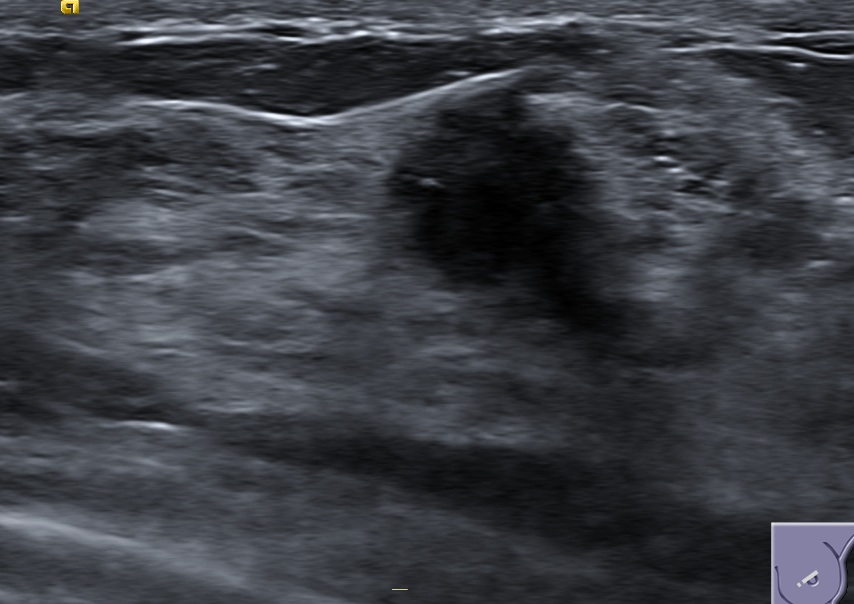
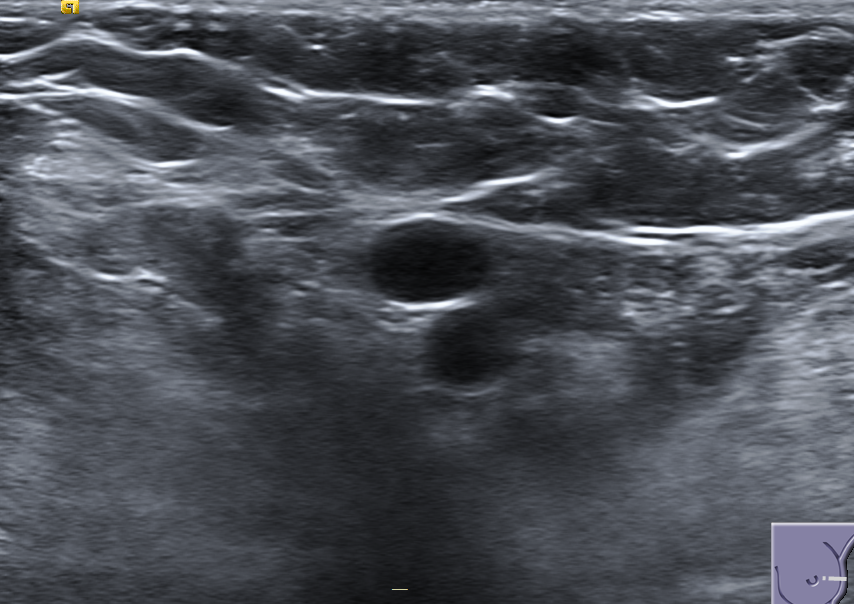
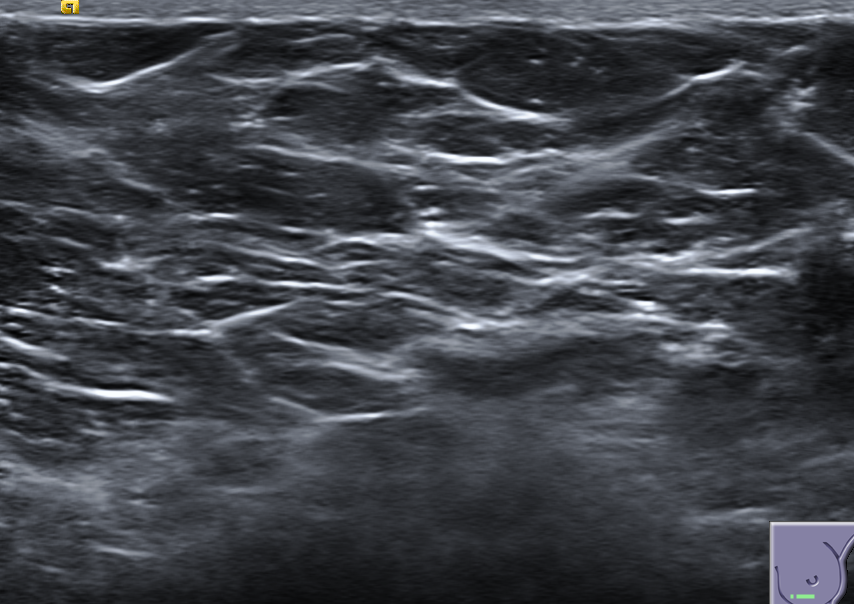
Breast ultrasound analysis

A closer look
at each finding.

Switch between the original scan and the Clinara analysis layer to inspect the highlighted regions.

From acquisition
to a useful clinical record.

Guided steps and inspectable analysis help local teams collect better evidence and carry it into a care decision.

Capture

Start with the patient and examination context. Record ultrasound passes or individual images, organise them by body area and side, and preserve the original frames.

A structured capture gives the reviewer a coherent examination to work through, with the finding connected to where and how it was collected.

Review

Browse the pass, bookmark useful frames and compare AI overlays with the original. Add measurements, drawings and clinical observations on mobile or on the larger desktop view.

The analysis draws attention to regions for closer inspection. The clinician combines that information with the history, examination and other findings when deciding the next step.

Document

Bring selected images and examination notes into a report. Keep the evidence behind a finding available so a later review can return to the source.

A more complete record supports a focused referral: what was seen, what was considered and what needs further assessment. Follow-up stays connected to the examination.

98%

Historical clinical evidence

Reported accuracy in a formal
US breast-imaging clinical trial.

The earlier trial involved more than 10,000 patients. These figures describe that historical trial.

Clinara Diagnostic Aids

Diagnostic information
with a place in care.

Imaging is one part of the Workbench examination environment.

Diagnostic Aids bring an examination method, a supported device or an analysis module into a shared workflow. The important connection is from patient context, through acquisition and interpretation, to a documented clinical action.

Bring your device, assay or model to a conversation about that workflow: its inputs, outputs, intended use and the evidence a clinician needs to review.

For diagnostic technology partners

See how it fits your examination workflow.

Request a demonstration